
products
Hot-Dip Galvanizing Systems
Hot-Dip Galvanizing is a surface coating method applied to protect the surfaces of steel or iron materials against corrosion. In this process, the material surface is first cleaned of oil, dirt, rust, and oxide layers, and then immersed in a molten zinc bath at approximately 440–460 °C.
The zinc bath is kept molten in a ceramic or heat-resistant steel vessel. This vessel is continuously maintained at the desired temperature through a heating system (natural gas, LPG, or electrically powered) surrounding it.
During immersion, a chemical reaction occurs between the iron on the steel surface and the molten zinc, forming an iron–zinc alloy layer that adheres firmly to the surface. This layer protects steel against corrosion for many years, acting both as a physical barrier and providing cathodic protection.
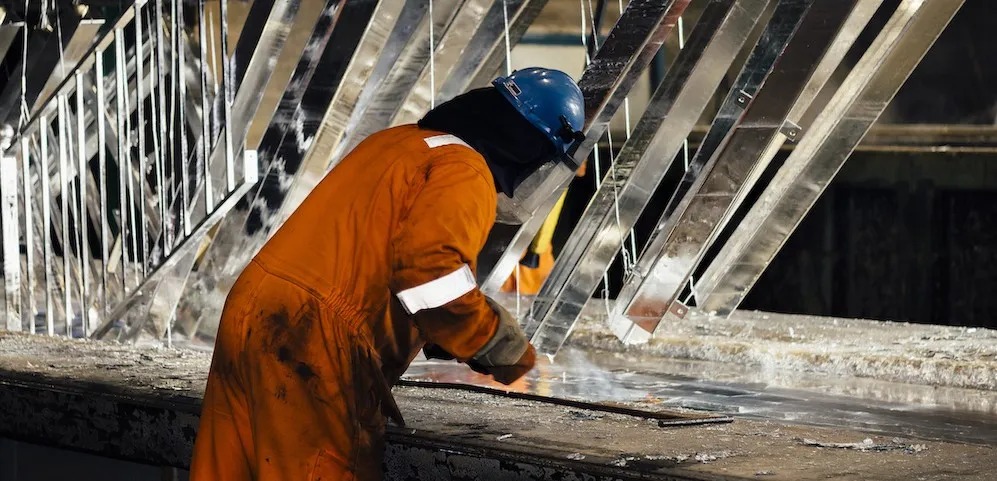
Ceramic Galvanizing Baths
Ceramic galvanizing baths consist of a vessel made of refractory (ceramic) material and a system that heats this vessel directly or indirectly. Thanks to the ceramic structure of the vessel, problems such as deformation, cracking, or wear seen in metal baths are eliminated. This removes the need for regular maintenance and replacement, ensuring production continuity and significantly reducing long-term maintenance costs.
The ceramic vessel structure allows operation above 460 °C — the limit temperature for kettle-type galvanizing baths.
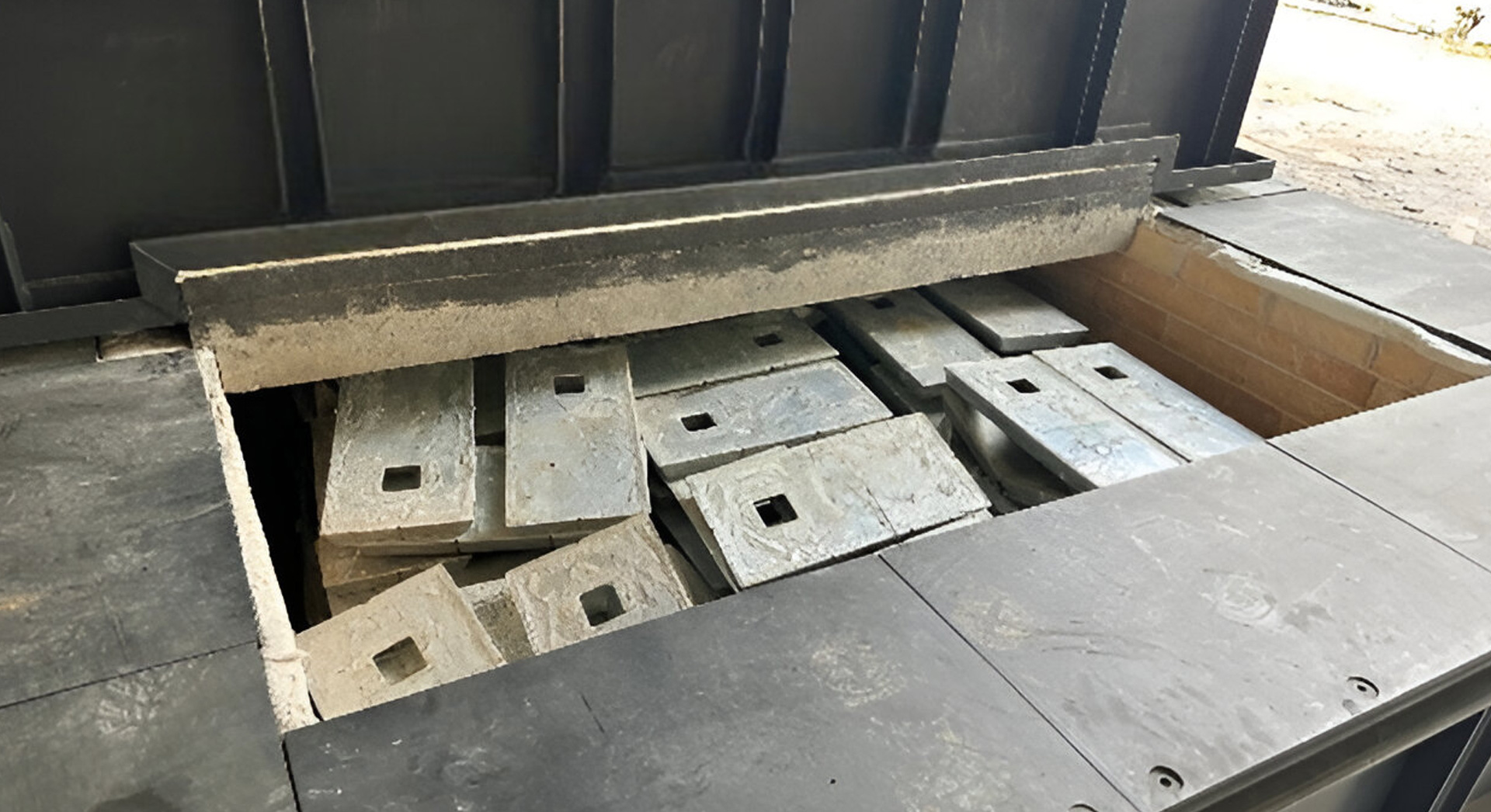
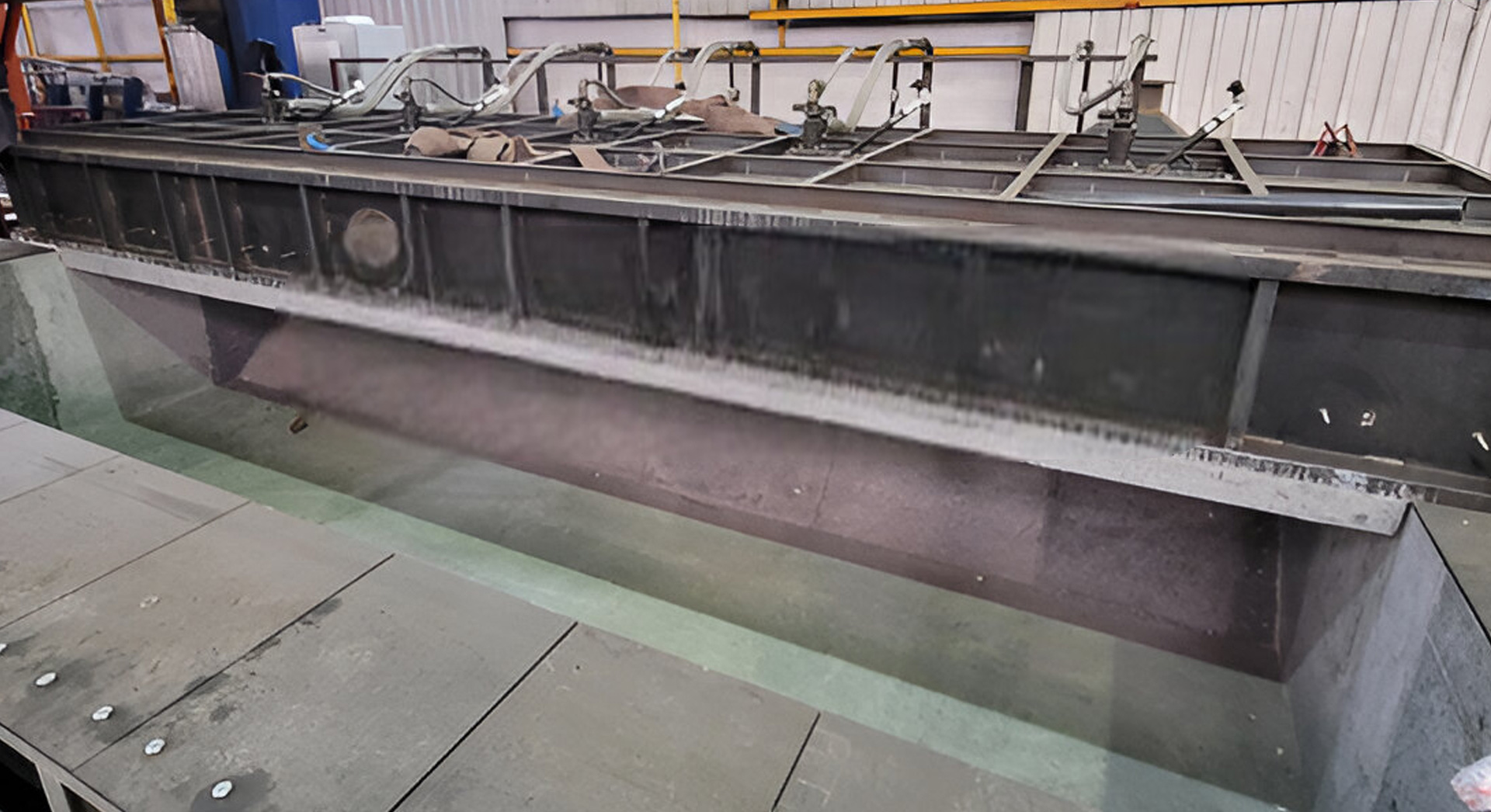
Direct-Heated Ceramic Galvanizing Baths
Direct-heated ceramic galvanizing baths operate on the principle of directly heating the zinc placed inside the ceramic vessel using burners fired in a combustion chamber positioned above the bath. In this system, zinc is directly heated by the burner flame and hot gases. Direct heating makes it a high energy-efficiency system. Due to its simple and straightforward design, initial investment cost is low and minimal maintenance is required.
Application Area:
Due to the combustion chamber placed above the bath, the usable area-to-total bath area ratio is low. Therefore, it is typically preferred in batch production facilities galvanizing small parts such as bolts, nuts, and washers, or in continuous production facilities requiring low usable area, such as steel wire galvanizing plants.
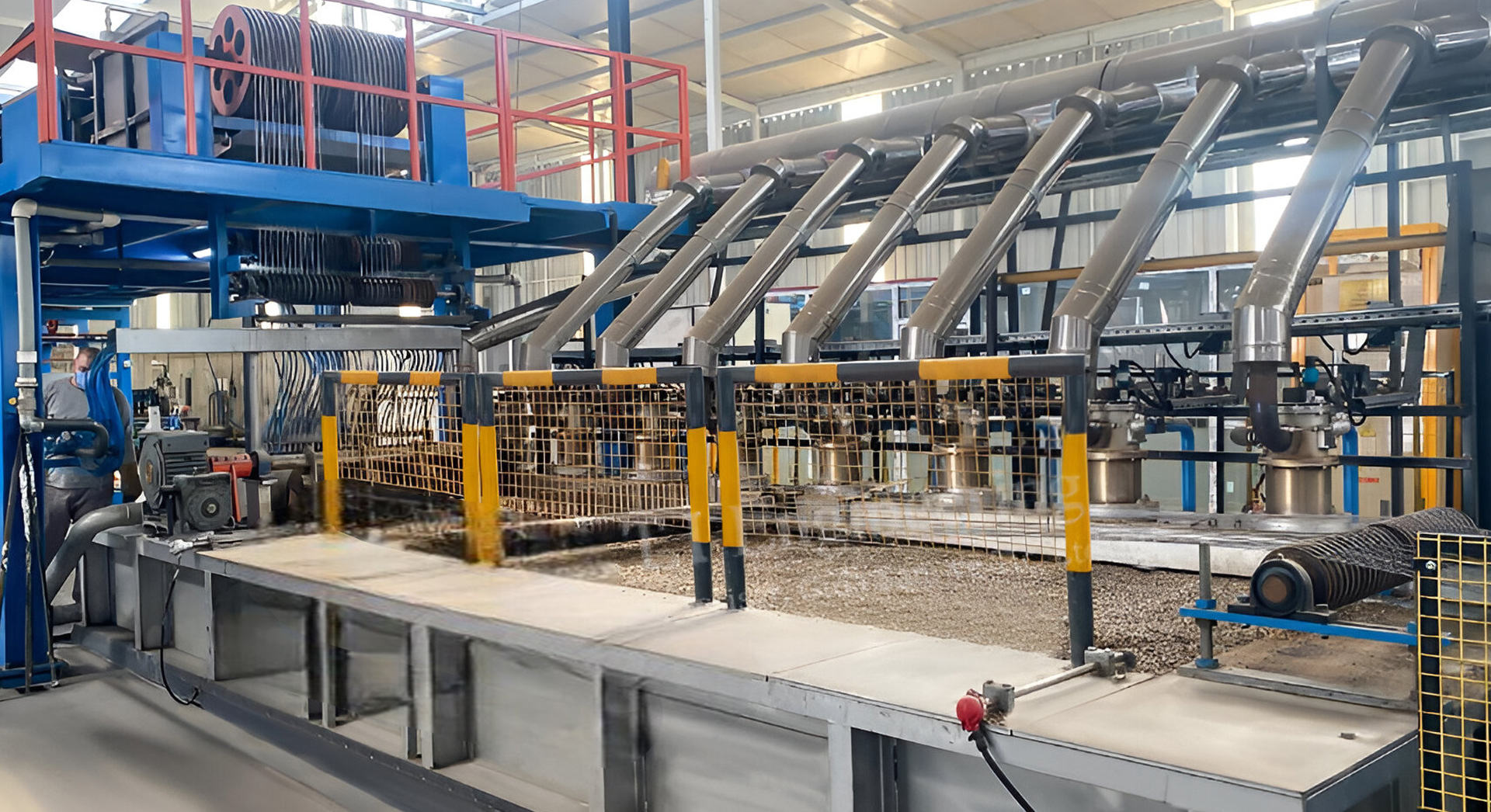
Immersion Tube Ceramic Galvanizing Baths
Immersion tube ceramic galvanizing baths operate on the principle of indirectly heating the zinc placed inside the ceramic vessel using burners located inside SiC tubes submerged in the zinc.
Indirect heating prevents contact of zinc with flame and oxygen, reducing zinc burning and oxidation and thus lowering zinc consumption. It is a high energy-efficiency system. Placing the heating surface directly inside the zinc via tubes increases the usable area-to-bath surface area ratio, reducing the amount of zinc required to fill the bath.
Application Area:
Due to its high usable bath area-to-total bath area ratio, it is preferred in continuous production facilities with a large number of wires. However, due to the sensitivity of SiC tubes to thermal shocks, it is not preferred in batch production facilities where large-mass materials are immersed simultaneously.
Kettle Type Galvanizing Baths
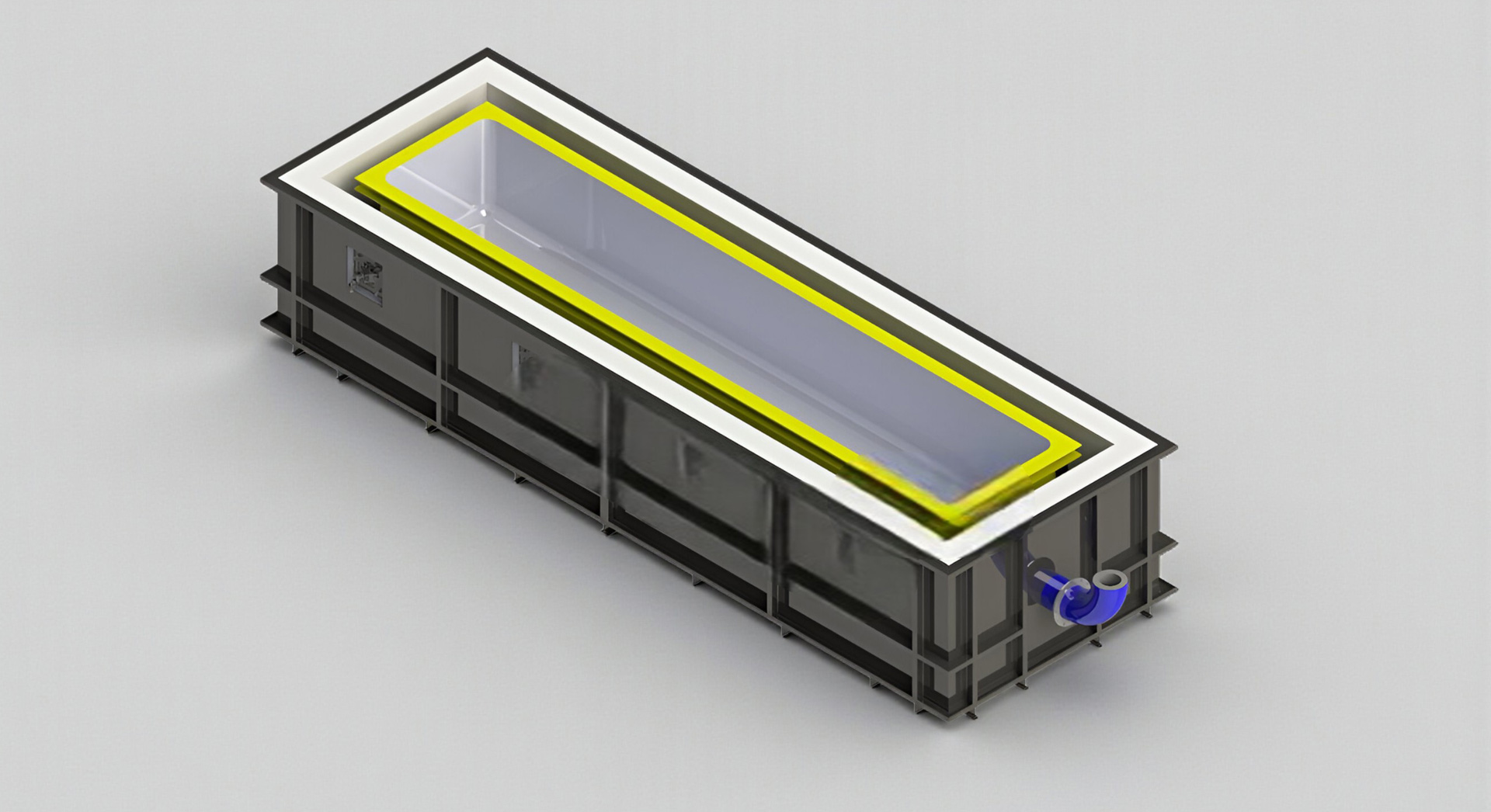
Kettle-type galvanizing baths consist of a metal vessel (pot) made from high-temperature and heat-resistant steel alloys, and a combustion chamber insulated with refractory material surrounding the pot.
Natural gas or LPG burners inside the combustion chamber heat the pot indirectly. In this system, the zinc inside the vessel is melted by indirect heating and the bath temperature is generally maintained between 440–450 °C.
Application Area:
This system is preferred mainly by batch production facilities and businesses galvanizing large-volume steel parts (power transmission towers, steel chassis, etc.), as it allows zinc coating of structural elements of different sizes and geometries and offers flexible loading capability.